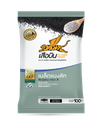
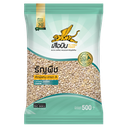
งาดำ: เมล็ดจิ๋วพลัง Whole Food แหล่งแคลเซียมจากพืช เทียบกับนมวัว พร้อมเจาะลึกสารเซซามิน
เมื่อพูดถึงแคลเซียม หลายคนมักนึกถึงนมวัวเป็นอันดับแรก เพราะเป็นแหล่งแคลเซียมที่ได้รับความนิยมมายาวนาน แต่รู้หรือไม่ว่า งาดำก็เป็นอีกหนึ่งวัตถุดิบจากธรรมชาติที่มีแคลเซียมในปริมาณสูงเมื่อเทียบตามน้ำหนัก พร้อมสารอาหารและสารประกอบจากพืชที่น่าสนใจอีกหลายชนิด
งาดำจึงเป็นมากกว่าเมล็ดพืชสำหรับโรยหน้าขนม แต่ยังเป็นวัตถุดิบที่เหมาะกับผู้ที่ต้องการเพิ่มความหลากหลายทางโภชนาการ โดยเฉพาะผู้ที่แพ้นมวัว ผู้ที่รับประทานอาหารวีแกน และผู้ที่สนใจแนวทางการกินแบบ Whole Food
1. งาดำกับนมวัว แหล่งแคลเซียมที่แตกต่างกันอย่างไร?
นมวัวเป็นแหล่งแคลเซียมที่สำคัญ โดยนมวัว 100 มิลลิลิตรโดยทั่วไปมีแคลเซียมประมาณ 110–125 มิลลิกรัม ขณะที่งาดำแห้งอาจมีแคลเซียมประมาณ 900–1,000 มิลลิกรัมต่อ 100 กรัม ทั้งนี้ขึ้นอยู่กับชนิดของงาและข้อมูลวิเคราะห์ของวัตถุดิบ
เมื่อเปรียบเทียบตามน้ำหนัก งาดำจึงอาจมีแคลเซียมสูงกว่านมวัวอย่างชัดเจน แต่การเปรียบเทียบนี้ไม่ได้หมายความว่าร่างกายจะได้รับแคลเซียมจากอาหารทั้งสองชนิดเท่ากัน เพราะปริมาณที่รับประทานจริงและการดูดซึมมีความแตกต่างกัน
งาดำมีสารประกอบตามธรรมชาติ เช่น ไฟเตตและออกซาเลต ซึ่งอาจลดการดูดซึมแร่ธาตุบางส่วน ขณะที่แคลเซียมจากนมวัวมีชีวประสิทธิผลค่อนข้างดี ดังนั้น การเลือกแหล่งแคลเซียมควรพิจารณาทั้งปริมาณสารอาหาร ขนาดบริโภค และการดูดซึมร่วมกัน
2. แพ้นมวัวหรือกินวีแกน เลือกงาดำเป็นทางเลือกได้ไหม?
สำหรับผู้ที่แพ้โปรตีนนมวัว การหลีกเลี่ยงผลิตภัณฑ์นมที่มีโปรตีนจากนมวัวเป็นสิ่งสำคัญ และควรเลือกแหล่งแคลเซียมอื่นเพื่อให้ได้รับสารอาหารเพียงพอ
ส่วนผู้ที่รับประทานอาหารวีแกน สามารถเลือกแหล่งแคลเซียมจากพืชได้หลายชนิด เช่น งาดำ เต้าหู้ที่ผลิตด้วยสารช่วยตกตะกอนที่มีแคลเซียม และเครื่องดื่มจากพืชที่เสริมแคลเซียม
งาดำสามารถเป็นส่วนหนึ่งของทางเลือกเหล่านี้ได้ แต่ไม่ควรพึ่งงาดำเพียงอย่างเดียวเพื่อให้ได้รับแคลเซียมครบตามความต้องการในแต่ละวัน เพราะปริมาณที่รับประทานต่อมื้อมักน้อยกว่าปริมาณที่ใช้เปรียบเทียบทางโภชนาการต่อ 100 กรัม
ข้อสำคัญ: ผู้ที่แพ้นมวัวควรตรวจสอบส่วนประกอบของผลิตภัณฑ์งาและอาหารอื่น ๆ เพื่อป้องกันการปนเปื้อนจากนม หากมีอาการแพ้รุนแรงควรปรึกษาแพทย์หรือนักกำหนดอาหารเกี่ยวกับการวางแผนโภชนาการ
3. งาดำไม่ได้มีแค่แคลเซียม แต่ยังมีแร่ธาตุและไขมันจากพืช
นอกจากแคลเซียมแล้ว งาดำยังมีแมกนีเซียม ฟอสฟอรัส ธาตุเหล็ก ไขมันไม่อิ่มตัว โปรตีนจากพืช และใยอาหาร
สารอาหารเหล่านี้ทำให้งาดำเป็นวัตถุดิบที่สามารถเพิ่มความหลากหลายให้กับอาหารประจำวันได้ ไม่ว่าจะเป็นการเติมลงในนมถั่วเหลือง โยเกิร์ต ข้าว เบเกอรี่ หรือเมนูธัญพืชต่าง ๆ
อย่างไรก็ตาม งาดำมีพลังงานค่อนข้างสูงจากไขมันตามธรรมชาติ จึงควรรับประทานในปริมาณที่เหมาะสมและเป็นส่วนหนึ่งของอาหารที่หลากหลาย
4. เซซามิน (Sesamin) สารประกอบเฉพาะตัวที่พบในงา
อีกหนึ่งจุดเด่นที่ทำให้งาดำได้รับความสนใจคือ เซซามิน (Sesamin) ซึ่งเป็นสารในกลุ่มลิกแนนที่พบในงา
เซซามินได้รับการศึกษาถึงคุณสมบัติทางชีวภาพหลายด้าน รวมถึงความเกี่ยวข้องกับกระบวนการต้านอนุมูลอิสระและการอักเสบในแบบจำลองการทดลอง อย่างไรก็ตาม ยังไม่ควรสรุปว่าการรับประทานงาดำจะช่วยชะลอวัย ลดการอักเสบ หรือป้องกันโรคในมนุษย์ได้โดยตรง เพราะหลักฐานทางคลินิกยังมีข้อจำกัด
สิ่งที่น่าสนใจคือ งาดำไม่ได้มีเพียงแร่ธาตุเท่านั้น แต่ยังมีสารประกอบจากธรรมชาติหลายชนิดที่เป็นส่วนหนึ่งขององค์ประกอบโดยรวมของเมล็ดงา
5. ทำไมการกินงาดำเต็มเมล็ดจึงสอดคล้องกับแนวคิด Whole Food?
แนวคิด Whole Food เน้นการเลือกอาหารที่ผ่านการแปรรูปน้อยและมีความหลากหลายทางโภชนาการ งาดำเต็มเมล็ดมีทั้งไขมัน โปรตีน ใยอาหาร แร่ธาตุ และสารประกอบตามธรรมชาติอยู่ร่วมกัน
เมื่อเทียบกับอาหารเสริมชนิดสกัดที่มักเน้นสารอาหารหรือสารประกอบเฉพาะ การรับประทานงาดำเป็นอาหารช่วยให้ได้รับองค์ประกอบหลายชนิดที่มีอยู่ในวัตถุดิบตามธรรมชาติ
อย่างไรก็ตาม ไม่ได้หมายความว่า Whole Food จะทดแทนอาหารเสริมได้ทุกกรณี ผู้ที่มีภาวะขาดสารอาหารหรือมีความต้องการเฉพาะอาจจำเป็นต้องใช้อาหารเสริมภายใต้คำแนะนำของบุคลากรทางการแพทย์
6. เลือกงาดำแบบไหนให้เหมาะกับมื้ออาหาร?
งาดำสามารถนำมาใช้ได้หลายรูปแบบตามความสะดวกและลักษณะของเมนู
งาดำเต็มเมล็ด: เหมาะสำหรับโรยบนข้าว สลัด และอาหารจานต่าง ๆ
งาดำคั่ว: เพิ่มกลิ่นหอมและรสชาติให้กับอาหาร
งาดำคั่วป่น: เหมาะสำหรับผสมในนมถั่วเหลือง เครื่องดื่ม ขนมหวาน และเบเกอรี่
การบดงาอาจช่วยให้สารอาหารบางส่วนเข้าถึงได้ง่ายขึ้น แต่กระบวนการคั่วและการแปรรูปก็อาจส่งผลต่อสารอาหารบางชนิดแตกต่างกันไป
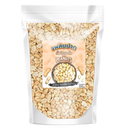
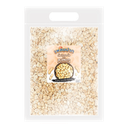
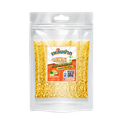
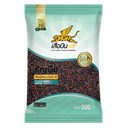
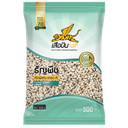
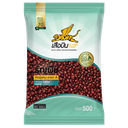
งาดำคุณภาพจากตราเสือบิน ตัวจริงเรื่องงา
ที่ Everyday Food เราให้ความสำคัญกับการคัดเลือกวัตถุดิบงาและการพัฒนาผลิตภัณฑ์อย่างต่อเนื่อง เพื่อให้ผู้บริโภคและผู้ประกอบการเลือกใช้งาได้ตามความต้องการ ทั้งงาดำ งาดำคั่ว และงาดำคั่วป่น
งาดำอาจเป็นอีกหนึ่งทางเลือกในการเพิ่มแคลเซียมจากพืช แต่หัวใจสำคัญคือการเลือกแหล่งสารอาหารให้หลากหลายและเหมาะสมกับความต้องการของร่างกาย
Black Sesame: A Tiny Whole Food with Plant-Based Calcium, Compared with Cow’s Milk, and the Benefits of Sesamin
When people think of calcium, cow’s milk is often one of the first foods that comes to mind. However, black sesame is another natural ingredient that can contain substantial amounts of calcium by weight, alongside other plant-based nutrients and compounds.
Black sesame is more than a topping for desserts. It can be a useful ingredient for people looking to diversify their diets, particularly those with cow’s milk allergies, people following vegan diets, and those interested in the Whole Food approach.
1. Black Sesame vs. Cow’s Milk: How Do Their Calcium Sources Differ?
Cow’s milk is an important source of calcium. A typical 100 ml serving contains approximately 110–125 mg of calcium. Dried black sesame may contain around 900–1,000 mg per 100 g, depending on the type of sesame and the nutritional analysis of the raw material.
By weight, black sesame may therefore contain substantially more calcium than cow’s milk. However, this does not mean the body absorbs the same amount of calcium from both foods. Typical serving sizes and absorption rates differ.
Black sesame contains naturally occurring compounds, including phytates and oxalates, which may reduce the absorption of some minerals. Calcium from cow’s milk has relatively good bioavailability. Choosing calcium sources therefore requires consideration of nutrient content, serving size, and absorption.
2. Can People with Cow’s Milk Allergies or Those Following Vegan Diets Choose Black Sesame?
People with cow’s milk protein allergies need to avoid dairy products containing cow’s milk proteins and find suitable alternative sources of nutrients.
Those following vegan diets can obtain calcium from plant-based foods such as black sesame, calcium-set tofu, and calcium-fortified plant-based beverages.
Black sesame can contribute to these dietary choices, but relying on it alone may not provide enough calcium to meet daily requirements. The amount typically consumed in one serving is often much smaller than the 100 g quantity used for nutritional comparisons.
Important: People with cow’s milk allergies should check ingredient labels and potential cross-contact information. Those with severe allergies should consult a healthcare professional or registered dietitian about appropriate dietary planning.
3. More Than Calcium: Minerals and Plant-Based Fats
In addition to calcium, black sesame contains magnesium, phosphorus, iron, unsaturated fats, plant-based protein, and dietary fiber.
These nutrients make black sesame a versatile ingredient that can add nutritional variety to everyday meals, including soy milk, yogurt, rice dishes, bakery products, and grain-based recipes.
Black sesame is also relatively energy-dense because of its naturally occurring fats, so it is best consumed in appropriate portions as part of a varied diet.
4. Sesamin: A Distinctive Compound Found in Sesame
Another reason black sesame attracts scientific interest is sesamin, a lignan naturally found in sesame.
Researchers have studied sesamin for several biological properties, including its relationship to antioxidant processes and inflammation in experimental models. However, current evidence does not establish that eating black sesame directly slows aging, reduces inflammation, or prevents disease in humans.
The important point is that black sesame contains more than minerals. It also provides a range of naturally occurring compounds that contribute to the seed’s overall composition.
5. Why Whole Black Sesame Fits the Whole Food Approach
The Whole Food approach emphasizes minimally processed foods and dietary variety. Whole black sesame contains fats, protein, dietary fiber, minerals, and naturally occurring compounds together.
Compared with concentrated supplements that focus on specific nutrients or compounds, eating black sesame as a food provides several components naturally present in the seed.
However, whole foods do not replace supplements in every situation. People with nutrient deficiencies or specific nutritional needs may require supplements under the guidance of a healthcare professional.
6. Which Form of Black Sesame Should You Choose?
Black sesame is available in several forms to suit different recipes and preferences.
Whole Black Sesame: Suitable for rice, salads, and various dishes.
Roasted Black Sesame: Adds a distinctive aroma and flavor.
Roasted Ground Black Sesame: Ideal for soy milk, beverages, desserts, and bakery products.
Grinding may make some nutrients more accessible, although roasting and other processing methods can affect individual nutrients differently.
Quality Black Sesame from Flying Tiger — The True Expert in Sesame
At Everyday Food, we focus on sesame selection and continuous product development, offering a variety of options for consumers and food businesses, including black sesame, roasted black sesame, and roasted ground black sesame.
Black sesame can be one option for increasing plant-based calcium intake, but the key is to choose a variety of nutrient sources suited to the body’s needs.

 and then Add to Home Screen.