จับคู่อาหารเพิ่มแคลเซียม: กินธัญพืชคู่กับอะไร ช่วยให้ร่างกายดูดซึมแคลเซียมได้ดีขึ้น?
การดูแลสุขภาพกระดูกไม่ได้ขึ้นอยู่กับการรับประทานอาหารที่มีแคลเซียมสูงเพียงอย่างเดียว แต่ยังต้องใส่ใจสารอาหารอื่น ๆ ที่ช่วยให้ร่างกายนำแคลเซียมไปใช้ได้อย่างเหมาะสม โดยเฉพาะวิตามินดี ซึ่งมีบทบาทสำคัญในการช่วยดูดซึมแคลเซียมจากอาหาร
สำหรับคนที่ชื่นชอบการรับประทานถั่ว ธัญพืช และเมล็ดพืช การรู้จักจับคู่วัตถุดิบเหล่านี้กับอาหารชนิดอื่น ๆ จะช่วยเพิ่มความหลากหลายทางโภชนาการ และทำให้แต่ละมื้อได้รับสารอาหารที่เป็นประโยชน์ต่อกระดูกมากขึ้น
มาดูกันว่าเราควรรับประทานธัญพืชคู่กับอะไร เพื่อช่วยดูแลสุขภาพกระดูกในระยะยาว
1. ธัญพืชคู่กับอาหารที่มีวิตามินดี
วิตามินดี (Vitamin D) เป็นสารอาหารสำคัญที่ช่วยให้ร่างกายดูดซึมแคลเซียมจากทางเดินอาหารได้ดีขึ้น หากร่างกายได้รับวิตามินดีไม่เพียงพอ การนำแคลเซียมไปใช้ก็อาจไม่มีประสิทธิภาพเท่าที่ควร
ตัวอย่างอาหารที่มีวิตามินดี ได้แก่
ปลาแซลมอนและปลาที่มีไขมัน
ไข่แดง
นมและเครื่องดื่มจากพืชที่เสริมวิตามินดี
อาหารที่ผ่านการเสริมวิตามินดีตามข้อมูลบนฉลาก
ไอเดียจับคู่เมนู: ข้าวโอ๊ตใส่ถั่วและเมล็ดพืช รับประทานคู่กับนมถั่วเหลืองที่เสริมวิตามินดี หรือรับประทานเมนูธัญพืชคู่กับปลาในมื้อหลัก
2. ธัญพืชคู่กับอาหารที่มีแคลเซียมสูง
การรับประทานธัญพืชเพียงอย่างเดียวอาจไม่ได้ให้แคลเซียมเพียงพอต่อความต้องการของร่างกาย การเพิ่มวัตถุดิบที่เป็นแหล่งแคลเซียมลงในมื้ออาหารจึงเป็นอีกวิธีที่ช่วยเพิ่มปริมาณแคลเซียมที่ได้รับในแต่ละวัน
แหล่งแคลเซียมที่สามารถรับประทานร่วมกับธัญพืชได้ เช่น
เต้าหู้ที่ใช้สารตกตะกอนแคลเซียม: สามารถนำมารับประทานคู่กับข้าวกล้องหรือธัญพืชต่าง ๆ ควรตรวจสอบปริมาณแคลเซียมบนฉลาก
นมถั่วเหลืองเสริมแคลเซียม: เป็นเครื่องดื่มที่สามารถรับประทานคู่กับข้าวโอ๊ตหรือซีเรียลได้ ควรเลือกสูตรที่มีการเสริมแคลเซียมและเขย่าก่อนดื่มหากฉลากแนะนำ
ผักใบเขียวบางชนิด: เช่น คะน้าและผักกวางตุ้ง มีแคลเซียมที่ร่างกายสามารถนำไปใช้ได้ค่อนข้างดีเมื่อเทียบกับผักบางชนิด
งา: มีแคลเซียมตามธรรมชาติ สามารถโรยบนอาหารหรือผสมในเมนูธัญพืชเพื่อเพิ่มสารอาหารได้
ไอเดียจับคู่เมนู: ข้าวกล้องกับเต้าหู้ผัดงา หรือข้าวโอ๊ตใส่นมถั่วเหลืองเสริมแคลเซียมและงาดำ
3. ธัญพืชคู่กับอาหารที่มีโปรตีน
โปรตีนไม่ได้ทำหน้าที่เพียงสร้างและซ่อมแซมกล้ามเนื้อเท่านั้น แต่ยังเป็นส่วนประกอบสำคัญของโครงสร้างกระดูกอีกด้วย การได้รับโปรตีนอย่างเพียงพอจึงมีส่วนช่วยสนับสนุนสุขภาพกระดูกและกล้ามเนื้อ
แหล่งโปรตีนที่สามารถนำมาจับคู่กับธัญพืช ได้แก่
ถั่วเหลืองและเต้าหู้
ถั่วแดงและถั่วดำ
ถั่วลิสงและเนยถั่ว
ไข่
ปลาและเนื้อสัตว์ไม่ติดมัน
ไอเดียจับคู่เมนู: สลัดธัญพืชใส่ถั่วลูกไก่และเต้าหู้ หรือข้าวกล้องรับประทานคู่กับปลาและถั่วต่าง ๆ
การรับประทานโปรตีนให้เพียงพอในแต่ละวันมีความสำคัญเป็นพิเศษสำหรับผู้สูงอายุและผู้หญิงวัยหมดประจำเดือนที่ต้องการรักษามวลกล้ามเนื้อและดูแลสุขภาพกระดูก
4. ธัญพืชคู่กับผักใบเขียว
ผักใบเขียวบางชนิดเป็นแหล่งแคลเซียมจากพืชที่น่าสนใจ โดยเฉพาะผักที่มีออกซาเลตต่ำ ซึ่งช่วยให้ร่างกายดูดซึมแคลเซียมได้ดีกว่าผักที่มีออกซาเลตสูงบางชนิด
ตัวอย่างผักที่สามารถนำมาประกอบอาหารร่วมกับธัญพืช ได้แก่
คะน้า
ผักกวางตุ้ง
บรอกโคลี
ในทางกลับกัน ผักโขมมีออกซาเลตสูง ซึ่งสามารถจับกับแคลเซียมและลดการดูดซึมได้ แม้จะมีแคลเซียมอยู่ก็ตาม
ไอเดียจับคู่เมนู: สลัดข้าวกล้องกับบรอกโคลีและถั่ว หรือข้าวธัญพืชรับประทานคู่กับผัดคะน้าและเต้าหู้
5. รู้จักสารที่อาจลดการดูดซึมแร่ธาตุในธัญพืช
แม้ถั่วและธัญพืชจะมีแร่ธาตุที่เป็นประโยชน์ต่อร่างกาย แต่บางชนิดก็มีสารตามธรรมชาติที่อาจส่งผลต่อการดูดซึมแร่ธาตุ เช่น
ไฟเตต (Phytate)
พบได้ในถั่ว ธัญพืชไม่ขัดสี และเมล็ดพืชบางชนิด สามารถจับกับแร่ธาตุบางประเภท รวมถึงแคลเซียม ทำให้ร่างกายดูดซึมได้น้อยลงในบางสถานการณ์
ออกซาเลต (Oxalate)
พบในอาหารจากพืชบางชนิด เช่น ผักโขม สามารถจับกับแคลเซียมและลดปริมาณแคลเซียมที่ร่างกายดูดซึมได้
อย่างไรก็ตาม ไม่จำเป็นต้องหลีกเลี่ยงถั่วและธัญพืช เพราะอาหารเหล่านี้ยังมีใยอาหาร โปรตีน และสารอาหารที่มีประโยชน์ สามารถลดสารต้านโภชนาการบางส่วนได้ด้วยการแช่ถั่ว ต้มให้สุก หรือใช้กระบวนการหมักตามความเหมาะสม
6. ตัวอย่างเมนูจับคู่ธัญพืชเพื่อดูแลกระดูก
หากไม่รู้ว่าจะเริ่มต้นอย่างไร ลองนำไอเดียเหล่านี้ไปปรับใช้กับมื้ออาหารประจำวันได้เลย
| เมนู | วัตถุดิบเด่น | สารอาหารที่ได้รับ |
|---|---|---|
| ข้าวโอ๊ตนมถั่วเหลืองงาดำ | ข้าวโอ๊ต นมถั่วเหลืองเสริมแคลเซียม งาดำ | แคลเซียม โปรตีน และใยอาหาร |
| สลัดธัญพืชเต้าหู้ | ถั่ว ธัญพืช เต้าหู้ บรอกโคลี | แคลเซียม โปรตีน และใยอาหาร |
| ข้าวกล้องปลาและผัก | ข้าวกล้อง ปลา คะน้า | โปรตีน แคลเซียม และวิตามินดีจากปลาบางชนิด |
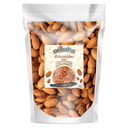
| โยเกิร์ตใส่ถั่วและเมล็ดพืช | โยเกิร์ต อัลมอนด์ เมล็ดพืช | แคลเซียม โปรตีน และไขมันไม่อิ่มตัว |
อย่าลืม! 3 หลักสำคัญในการดูแลกระดูก
นอกจากการจับคู่อาหารแล้ว ยังมีสิ่งสำคัญที่ควรทำควบคู่กัน
รับประทานแคลเซียมให้เพียงพอ: เลือกอาหารที่มีแคลเซียมหลากหลายชนิด และกระจายการรับประทานตลอดวัน
ดูแลระดับวิตามินดี: รับประทานอาหารที่มีวิตามินดี และได้รับแสงแดดอย่างเหมาะสมตามสภาพร่างกายและสภาพแวดล้อม
ออกกำลังกายสม่ำเสมอ: เช่น การเดินเร็วและการออกกำลังกายแบบใช้แรงต้าน เพื่อช่วยรักษาความแข็งแรงของกระดูกและกล้ามเนื้อ
Everyday Food กับการเลือกธัญพืชเพื่อสุขภาพ
ถั่ว ธัญพืช และเมล็ดพืช ไม่ได้เป็นเพียงวัตถุดิบสำหรับประกอบอาหารเท่านั้น แต่ยังเป็นส่วนหนึ่งของการสร้างมื้ออาหารที่หลากหลายและมีคุณค่าทางโภชนาการ
Everyday Food ให้ความสำคัญกับการคัดสรรวัตถุดิบคุณภาพ ทั้งถั่ว งา และธัญพืชหลากหลายชนิด เพื่อสนับสนุนผู้บริโภคและผู้ประกอบการในการต่อยอดวัตถุดิบสู่เมนูอาหารที่ตอบโจทย์ไลฟ์สไตล์สุขภาพ
เพราะการดูแลกระดูกให้แข็งแรงไม่จำเป็นต้องเริ่มจากอาหารเสริมเสมอไป แต่สามารถเริ่มได้จากการเลือกวัตถุดิบที่มีประโยชน์ และจับคู่อาหารให้เหมาะสมในทุก ๆ วัน
Food Pairing for Better Calcium Intake: What Should You Eat with Grains to Support Calcium Absorption?
Maintaining healthy bones involves more than simply eating calcium-rich foods. It is also important to get other nutrients that help the body use calcium effectively. One particularly important nutrient is vitamin D, which helps the body absorb calcium from food.
For people who enjoy beans, grains, and seeds, combining these ingredients with other nutritious foods can create more balanced meals and provide a wider range of nutrients that support bone health.
Let's explore what you can pair with grains to help support healthy bones.
1. Pair Grains with Vitamin D-rich Foods
Vitamin D plays an essential role in helping the body absorb calcium from the digestive tract. Without enough vitamin D, calcium absorption may become less efficient.
Examples of vitamin D-rich foods include:
Salmon and other fatty fish
Egg yolks
Milk and plant-based drinks fortified with vitamin D
Other foods fortified with vitamin D, as indicated on their nutrition labels
Meal idea: Enjoy oatmeal with nuts and seeds alongside vitamin D-fortified soy milk, or serve a grain-based dish with fish as part of a main meal.
2. Pair Grains with Calcium-rich Foods
Grains alone may not provide enough calcium to meet daily requirements. Adding other calcium-rich ingredients is a practical way to increase calcium intake.
Some options include:
Calcium-set tofu: Can be served with brown rice or mixed grains. Check the nutrition label for its calcium content.
Calcium-fortified soy milk: A convenient drink to enjoy with oatmeal or cereal. Choose fortified products and shake before drinking if instructed on the label.
Certain leafy green vegetables: Vegetables such as Chinese kale and bok choy contain calcium that is relatively well absorbed compared with some other vegetables.
Sesame seeds: Naturally contain calcium and can be sprinkled over meals or mixed into grain-based dishes.
Meal idea: Brown rice with sesame tofu, or oatmeal with calcium-fortified soy milk and black sesame seeds.
3. Pair Grains with Protein-rich Foods
Protein does more than build and repair muscles. It is also an important component of bone structure. Getting enough protein helps support bone and muscle health.
Protein sources that pair well with grains include:
Soybeans and tofu
Red beans and black beans
Peanuts and peanut butter
Eggs
Fish and lean meat
Meal idea: A grain salad with chickpeas and tofu, or brown rice served with fish and mixed beans.
Adequate protein intake is particularly important for older adults and postmenopausal women who want to maintain muscle mass and support bone health.
4. Pair Grains with Leafy Green Vegetables
Some leafy green vegetables are valuable plant-based sources of calcium. In particular, low-oxalate vegetables generally provide calcium that is more readily absorbed than calcium from certain high-oxalate vegetables.
Examples include:
Chinese kale
Bok choy
Broccoli
On the other hand, spinach contains high levels of oxalates, which can bind to calcium and reduce its absorption.
Meal idea: A brown rice salad with broccoli and beans, or mixed-grain rice served with stir-fried Chinese kale and tofu.
5. Understand Natural Compounds That May Reduce Mineral Absorption
Although beans and grains contain valuable minerals, some also contain naturally occurring compounds that may affect mineral absorption.
Phytates
Found in beans, whole grains, and certain seeds, phytates can bind to minerals, including calcium, and reduce their absorption under certain conditions.
Oxalates
Found in some plant foods, such as spinach, oxalates can bind to calcium and reduce the amount absorbed by the body.
However, there is no need to avoid beans and grains. They still provide valuable fiber, protein, and other nutrients. Some antinutrients can be reduced through preparation methods such as soaking, cooking, or fermentation, depending on the ingredient.
6. Easy Grain-based Meal Ideas for Bone Health
If you are unsure where to start, try these simple meal combinations.
| Meal | Key Ingredients | Nutritional Highlights |
|---|---|---|
| Oatmeal with Soy Milk and Black Sesame | Oats, calcium-fortified soy milk, black sesame | Calcium, protein, and fiber |
| Tofu and Grain Salad | Beans, grains, tofu, broccoli | Calcium, protein, and fiber |
| Brown Rice with Fish and Vegetables | Brown rice, fish, Chinese kale | Protein, calcium, and vitamin D from certain fish |
| Yogurt with Nuts and Seeds | Yogurt, almonds, mixed seeds | Calcium, protein, and unsaturated fats |
Don't Forget! 3 Essential Habits for Bone Health
In addition to choosing the right food combinations, remember these three important habits:
Get enough calcium: Include a variety of calcium-rich foods and spread your intake throughout the day.
Maintain adequate vitamin D levels: Eat vitamin D-rich foods and get appropriate sunlight exposure based on your health and environment.
Exercise regularly: Activities such as brisk walking and resistance training help maintain bone and muscle strength.
Everyday Food: Choosing Grains for Better Nutrition
Beans, grains, and seeds are more than just cooking ingredients. They are valuable components of a varied and nutritious diet.
Everyday Food places importance on selecting quality ingredients, including beans, sesame, and a wide range of grains. We aim to support consumers and food businesses in turning these ingredients into meals and products that meet modern healthy-lifestyle needs.
Because maintaining strong bones does not always have to start with supplements. It can begin with choosing nutritious ingredients and combining foods thoughtfully every day.

 and then Add to Home Screen.