วัยทอง กระดูกบาง? เสริมแคลเซียมจากพืชธรรมชาติ ช่วยดูแลกระดูกให้แข็งแรง
เมื่อผู้หญิงเข้าสู่วัยทองหรือวัยหมดประจำเดือน ร่างกายจะเกิดการเปลี่ยนแปลงหลายด้าน โดยเฉพาะระดับฮอร์โมนเอสโตรเจนที่ลดลง ซึ่งมีส่วนเกี่ยวข้องกับการรักษาความแข็งแรงของกระดูก เมื่อฮอร์โมนลดลง การสูญเสียมวลกระดูกอาจเกิดขึ้นเร็วขึ้น ส่งผลให้ผู้หญิงวัยทองมีความเสี่ยงต่อภาวะกระดูกบางและโรคกระดูกพรุนเพิ่มขึ้น
หนึ่งในสารอาหารสำคัญที่มีบทบาทต่อสุขภาพกระดูกคือ แคลเซียม (Calcium) ซึ่งเป็นแร่ธาตุที่ร่างกายใช้ในการสร้างและรักษาความแข็งแรงของกระดูกและฟัน นอกจากแคลเซียมจากนมและผลิตภัณฑ์จากนมแล้ว ยังมีแหล่งแคลเซียมจากพืชธรรมชาติที่สามารถนำมาเป็นส่วนหนึ่งของอาหารประจำวันได้อีกด้วย
ทำไมผู้หญิงวัยทองจึงต้องใส่ใจสุขภาพกระดูก?
แคลเซียมเป็นส่วนประกอบสำคัญของกระดูกและฟัน โดยร่างกายมีการสร้างและสลายเนื้อกระดูกอยู่ตลอดเวลา เมื่อเข้าสู่วัยหมดประจำเดือน ระดับฮอร์โมนเอสโตรเจนที่ลดลงอาจทำให้กระบวนการสลายกระดูกเกิดขึ้นเร็วกว่าการสร้างกระดูกใหม่
หากมวลกระดูกลดลงมาก อาจนำไปสู่ภาวะกระดูกบางหรือโรคกระดูกพรุน ซึ่งทำให้กระดูกเปราะและเพิ่มความเสี่ยงต่อการเกิดกระดูกหัก โดยเฉพาะบริเวณสะโพก กระดูกสันหลัง และข้อมือ
การดูแลสุขภาพกระดูกจึงควรเริ่มตั้งแต่ก่อนเข้าสู่วัยทอง และให้ความสำคัญกับการได้รับสารอาหารที่เพียงพออย่างต่อเนื่อง
5 แหล่งแคลเซียมจากพืชธรรมชาติที่ควรรู้จัก
นอกจากนมและผลิตภัณฑ์จากนมแล้ว วัตถุดิบจากพืชหลายชนิดยังมีแคลเซียมเป็นส่วนประกอบ สามารถนำมาประยุกต์เป็นเมนูอาหารได้หลากหลาย
1. งา – เมล็ดพืชขนาดเล็กที่มีแคลเซียม
งาขาวและงาดำเป็นแหล่งแร่ธาตุจากพืชที่น่าสนใจ โดยเฉพาะแคลเซียม นอกจากนี้ยังมีโปรตีน ไขมัน และแร่ธาตุอื่น ๆ เช่น แมกนีเซียมและฟอสฟอรัส
สามารถนำงามาโรยบนอาหาร ใส่ในเครื่องดื่ม ทำเป็นน้ำงา หรือใช้เป็นส่วนประกอบของเมนูอาหารต่าง ๆ เพื่อเพิ่มความหลากหลายของสารอาหาร
อย่างไรก็ตาม ปริมาณแคลเซียมที่ร่างกายดูดซึมได้จริงอาจแตกต่างกันตามรูปแบบของงาและสารประกอบตามธรรมชาติในเมล็ดงา
2. ถั่วเหลืองและผลิตภัณฑ์จากถั่วเหลือง
ถั่วเหลืองเป็นแหล่งโปรตีนจากพืชที่มีคุณค่าทางโภชนาการ สามารถนำไปแปรรูปเป็นเต้าหู้ นมถั่วเหลือง และผลิตภัณฑ์อาหารได้หลากหลาย
โดยเฉพาะเต้าหู้ที่ผลิตโดยใช้สารตกตะกอนแคลเซียม อาจเป็นแหล่งแคลเซียมที่ดี ควรตรวจสอบข้อมูลโภชนาการบนฉลาก เนื่องจากปริมาณแคลเซียมแตกต่างกันตามกระบวนการผลิต
3. อัลมอนด์ – ถั่วที่มีแคลเซียมและสารอาหารหลากหลาย
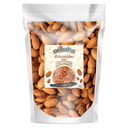
อัลมอนด์มีแคลเซียม โปรตีน ไขมันไม่อิ่มตัว และแมกนีเซียม สามารถรับประทานเป็นของว่างหรือเพิ่มลงในโยเกิร์ตและซีเรียลได้
นอกจากช่วยเพิ่มความหลากหลายของสารอาหารแล้ว ยังเป็นอีกหนึ่งวัตถุดิบที่นำมาประยุกต์ใช้ในเมนูสุขภาพได้ง่าย
4. ถั่วขาวและถั่วชนิดต่าง ๆ
ถั่วขาว ถั่วแดง และถั่วชนิดอื่น ๆ มีแคลเซียมในปริมาณที่แตกต่างกัน พร้อมทั้งให้โปรตีนและใยอาหาร สามารถนำไปประกอบอาหารได้ทั้งเมนูคาวและหวาน
การรับประทานถั่วหลากหลายชนิดจึงเป็นอีกวิธีหนึ่งในการเพิ่มคุณค่าทางโภชนาการให้กับมื้ออาหารประจำวัน
5. ผักใบเขียว
ผักใบเขียวบางชนิด เช่น คะน้า บรอกโคลี และผักกวางตุ้ง เป็นแหล่งแคลเซียมจากพืชที่น่าสนใจ โดยผักแต่ละชนิดมีปริมาณแคลเซียมและการดูดซึมแตกต่างกัน
ผักบางชนิด เช่น ผักโขม มีสารออกซาเลตที่สามารถจับกับแคลเซียมและลดการดูดซึมได้ จึงควรเลือกรับประทานผักให้หลากหลายชนิด
แคลเซียมอย่างเดียวไม่พอ! 3 สารอาหารสำคัญที่ช่วยดูแลกระดูก
การมีสุขภาพกระดูกที่ดีไม่ได้ขึ้นอยู่กับแคลเซียมเพียงอย่างเดียว แต่ยังต้องอาศัยสารอาหารอื่น ๆ ที่ทำงานร่วมกัน
1. วิตามินดี (Vitamin D)
ช่วยให้ร่างกายดูดซึมแคลเซียมจากอาหารได้ดีขึ้น ร่างกายสามารถสร้างวิตามินดีได้จากการได้รับแสงแดด และยังพบได้ในอาหารบางชนิด เช่น ปลาที่มีไขมัน ไข่แดง และอาหารที่เสริมวิตามินดี
2. โปรตีน (Protein)
โปรตีนเป็นสารอาหารสำคัญต่อโครงสร้างของกระดูกและกล้ามเนื้อ การได้รับโปรตีนอย่างเพียงพอช่วยสนับสนุนการรักษามวลกล้ามเนื้อและการทำงานของร่างกาย สามารถเลือกได้จากทั้งเนื้อสัตว์ ไข่ นม ถั่ว และธัญพืชบางชนิด
3. แมกนีเซียม (Magnesium)
เป็นแร่ธาตุที่เกี่ยวข้องกับกระบวนการทำงานหลายอย่างของร่างกาย รวมถึงสุขภาพกระดูก พบได้ในถั่ว เมล็ดพืช ธัญพืชไม่ขัดสี และผักใบเขียว
4 วิธีดูแลกระดูกสำหรับผู้หญิงวัยทอง
นอกจากการเลือกรับประทานอาหารที่มีแคลเซียมแล้ว การปรับพฤติกรรมในชีวิตประจำวันก็มีส่วนสำคัญต่อการดูแลสุขภาพกระดูก
รับประทานอาหารให้หลากหลาย: เลือกแหล่งแคลเซียมจากทั้งพืชและอาหารชนิดอื่น ๆ พร้อมรับประทานโปรตีนและสารอาหารให้เพียงพอ
ออกกำลังกายแบบลงน้ำหนัก: เช่น เดินเร็ว เต้น หรือออกกำลังกายแบบใช้แรงต้าน เพื่อช่วยรักษาความแข็งแรงของกระดูกและกล้ามเนื้อ
ได้รับวิตามินดีอย่างเหมาะสม: ให้ความสำคัญกับแสงแดด อาหารที่มีวิตามินดี และคำแนะนำจากผู้เชี่ยวชาญเมื่อจำเป็น
ตรวจสุขภาพกระดูกตามความเหมาะสม: ผู้หญิงวัยหมดประจำเดือน โดยเฉพาะผู้ที่มีปัจจัยเสี่ยง ควรปรึกษาแพทย์เกี่ยวกับการประเมินความเสี่ยงและการตรวจวัดความหนาแน่นของมวลกระดูก
Everyday Food กับวัตถุดิบจากพืชเพื่อสุขภาพ
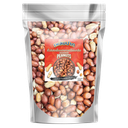
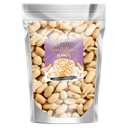
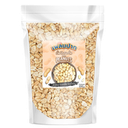
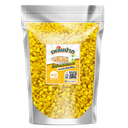
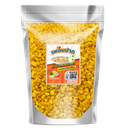
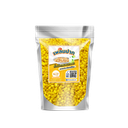
Everyday Food ให้ความสำคัญกับถั่ว ธัญพืช และเมล็ดพืช ซึ่งเป็นวัตถุดิบธรรมชาติที่มีคุณค่าทางโภชนาการและสามารถนำไปต่อยอดเป็นเมนูอาหารเพื่อสุขภาพได้หลากหลาย
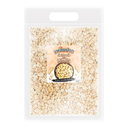
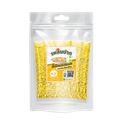
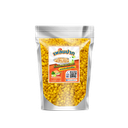
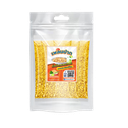
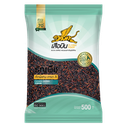
ไม่ว่าจะเป็นงาขาว งาดำ ถั่วเหลือง ถั่วขาว หรือธัญพืชชนิดต่าง ๆ ล้วนเป็นวัตถุดิบที่ช่วยเพิ่มความหลากหลายให้กับมื้ออาหาร และเป็นอีกทางเลือกสำหรับผู้ที่ต้องการดูแลสุขภาพผ่านการเลือกรับประทานอาหาร
เพราะการดูแลกระดูกให้แข็งแรงในระยะยาว ไม่ได้เริ่มต้นจากการรับประทานอาหารเสริมเพียงอย่างเดียว แต่เริ่มได้จากการเลือกอาหารที่มีคุณค่าทางโภชนาการ รับประทานอย่างสมดุล และใส่ใจสุขภาพในทุกช่วงวัย
หมายเหตุ: ผู้หญิงวัยทองที่มีความเสี่ยงต่อโรคกระดูกพรุนหรือมีภาวะกระดูกบาง ควรปรึกษาแพทย์เพื่อประเมินความเสี่ยงและวางแผนดูแลรักษาให้เหมาะสม การรับประทานอาหารที่มีแคลเซียมเป็นส่วนหนึ่งของการดูแลสุขภาพ แต่ไม่สามารถรับประกันว่าจะป้องกันหรือรักษาโรคกระดูกพรุนได้
Menopause and Bone Loss: Natural Plant-Based Calcium to Support Strong Bones
When women enter menopause, their bodies undergo several changes. One of the most significant changes is a decline in estrogen levels, a hormone that plays an important role in maintaining bone health. As estrogen levels decrease, bone loss may accelerate, increasing the risk of low bone density and osteoporosis.
One essential nutrient for bone health is calcium, a mineral that helps build and maintain strong bones and teeth. Besides dairy products, there are also natural plant-based sources of calcium that can be included in everyday meals.
Why Should Women Pay Attention to Bone Health During Menopause?
Calcium is an essential component of bones and teeth. Throughout life, the body continuously breaks down old bone tissue and replaces it with new bone.
During menopause, declining estrogen levels can cause bone breakdown to occur faster than new bone formation. If bone density decreases significantly, it may lead to osteopenia or osteoporosis, making bones more fragile and increasing the risk of fractures, particularly in the hips, spine, and wrists.
Taking care of bone health should therefore begin before menopause and continue through a balanced diet and healthy lifestyle.
5 Natural Plant-based Sources of Calcium
Besides milk and dairy products, many plant-based ingredients contain calcium and can be incorporated into a variety of meals.
1. Sesame Seeds – Small Seeds with Calcium
Both white and black sesame seeds are interesting sources of plant-based minerals, particularly calcium. They also contain protein, fats, magnesium, and phosphorus.
Sesame seeds can be sprinkled over meals, added to beverages, blended into sesame drinks, or used in various recipes to increase dietary variety.
However, the amount of calcium the body can absorb varies depending on the form of sesame and naturally occurring compounds within the seeds.
2. Soybeans and Soy Products
Soybeans are a valuable source of plant-based protein and can be processed into tofu, soy milk, and many other food products.
Tofu made with calcium-based coagulants can be a particularly good source of calcium. However, calcium content varies depending on the manufacturing process, so checking the nutrition label is recommended.
3. Almonds – Nuts with Calcium and Other Nutrients
Almonds contain calcium, protein, unsaturated fats, and magnesium. They can be enjoyed as snacks or added to yogurt and cereals.
They are also a versatile ingredient that can easily be incorporated into healthy meals.
4. White Beans and Other Beans
White beans, red beans, and other varieties contain varying amounts of calcium, along with protein and dietary fiber. They can be used in both sweet and savory dishes.
Including different types of beans in your diet is a practical way to increase nutritional variety.
5. Green Leafy Vegetables
Certain leafy green vegetables, such as Chinese kale, broccoli, and bok choy, are interesting plant-based sources of calcium. However, calcium content and absorption vary among vegetables.
Some vegetables, such as spinach, contain oxalates that bind to calcium and reduce its absorption. Choosing a variety of vegetables is therefore important.
Calcium Is Not Enough! 3 Other Nutrients That Support Bone Health
Maintaining healthy bones requires more than calcium alone. Other nutrients also play important roles in supporting bone health.
1. Vitamin D
Vitamin D helps the body absorb calcium from food. The body can produce vitamin D through appropriate sunlight exposure, and it can also be obtained from certain foods, including fatty fish, egg yolks, and vitamin D-fortified products.
2. Protein
Protein is important for the structure of bones and muscles. Adequate protein intake supports muscle maintenance and overall body function. Good sources include meat, eggs, dairy products, beans, and certain grains.
3. Magnesium
Magnesium is involved in many important bodily functions, including bone health. It can be found in nuts, seeds, whole grains, and green leafy vegetables.
4 Ways to Support Bone Health During Menopause
In addition to choosing calcium-rich foods, healthy daily habits also play an important role in maintaining strong bones.
Eat a varied diet: Include calcium sources from plants and other foods, together with adequate protein and other essential nutrients.
Engage in weight-bearing exercise: Activities such as brisk walking, dancing, and resistance training help support bone and muscle strength.
Maintain adequate vitamin D levels: Pay attention to appropriate sunlight exposure, vitamin D-rich foods, and professional advice when needed.
Consider bone health screening: Postmenopausal women, especially those with additional risk factors, should consult a healthcare professional about risk assessment and bone mineral density testing.
Everyday Food: Plant-based Ingredients for Better Nutrition
Everyday Food recognizes the nutritional value of beans, grains, and seeds as natural ingredients that can be incorporated into a wide variety of healthy meals.
White sesame, black sesame, soybeans, white beans, and other grains offer different nutrients and can help add variety to everyday diets. They are valuable options for people who want to take better care of their health through mindful food choices.
Because maintaining strong bones over time is not just about taking supplements. It begins with choosing nutritious foods, eating a balanced diet, and taking care of your health at every stage of life.
Disclaimer: Women experiencing menopause who are at risk of osteoporosis or have low bone density should consult a healthcare professional for appropriate assessment and care. Eating calcium-rich foods is part of maintaining bone health, but it cannot guarantee the prevention or treatment of osteoporosis.

 and then Add to Home Screen.