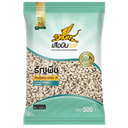
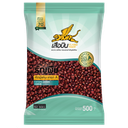
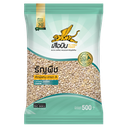
โปรตีนพืช vs โปรตีนสัตว์: สรุปความต่าง แบบไหนเหมาะกับคุณ?
โปรตีนเป็นหนึ่งในสารอาหารหลักที่ร่างกายต้องการ เพราะมีบทบาทสำคัญในการสร้างและซ่อมแซมกล้ามเนื้อ เนื้อเยื่อ และส่วนต่าง ๆ ของร่างกาย ปัจจุบันผู้บริโภคมีทางเลือกในการรับโปรตีนมากขึ้น ทั้งจากเนื้อสัตว์ ไข่ นม รวมถึงถั่ว ธัญพืช และเมล็ดพืชต่าง ๆ
หนึ่งในคำถามที่หลายคนสงสัยคือ โปรตีนจากพืช (Plant-based Protein) กับโปรตีนจากสัตว์ (Animal-based Protein) แตกต่างกันอย่างไร และควรเลือกแบบไหนจึงจะเหมาะกับตัวเอง?
ความจริงแล้วโปรตีนทั้งสองประเภทต่างมีข้อดีและข้อจำกัด ไม่มีประเภทใดดีที่สุดสำหรับทุกคน การทำความเข้าใจความแตกต่างจะช่วยให้เราเลือกแหล่งโปรตีนได้อย่างเหมาะสมกับความต้องการของร่างกายและไลฟ์สไตล์
1. โปรตีนจากพืชและโปรตีนจากสัตว์คืออะไร?
โปรตีนจากพืช (Plant-based Protein)
คือโปรตีนที่ได้จากวัตถุดิบที่มาจากพืช เช่น ถั่วเหลือง ถั่วลิสง ถั่วเขียว ถั่วแดง ถั่วดำ ธัญพืช และเมล็ดพืชต่าง ๆ สามารถนำมารับประทานโดยตรงหรือแปรรูปเป็นผลิตภัณฑ์อาหาร เช่น เต้าหู้ นมถั่วเหลือง เนยถั่ว และผลิตภัณฑ์โปรตีนทางเลือก
โปรตีนจากสัตว์ (Animal-based Protein)
คือโปรตีนที่ได้จากสัตว์ เช่น เนื้อไก่ เนื้อหมู เนื้อวัว ปลา ไข่ และนม ซึ่งเป็นแหล่งโปรตีนที่ได้รับความนิยมและสามารถนำไปประกอบอาหารได้หลากหลาย
2. เปรียบเทียบโปรตีนพืช vs โปรตีนสัตว์
| หัวข้อ | โปรตีนจากพืช | โปรตีนจากสัตว์ |
|---|---|---|
| แหล่งอาหาร | ถั่ว ธัญพืช เมล็ดพืช | เนื้อสัตว์ ไข่ นม ปลา |
| กรดอะมิโน | บางชนิดมีกรดอะมิโนจำเป็นไม่ครบหรือมีบางชนิดในปริมาณจำกัด | ส่วนใหญ่มีกรดอะมิโนจำเป็นครบถ้วน |
| ใยอาหาร | มีใยอาหารในวัตถุดิบจากพืชหลายชนิด | โดยทั่วไปไม่มีใยอาหาร |
| สารอาหารอื่น | อาจมีวิตามิน แร่ธาตุ และสารพฤกษเคมี | อาจมีวิตามินบี 12 ธาตุเหล็ก และสารอาหารอื่น ๆ |
| ไขมัน | แตกต่างตามชนิดวัตถุดิบ หลายชนิดมีไขมันไม่อิ่มตัว | แตกต่างตามชนิดเนื้อสัตว์และผลิตภัณฑ์ |
| ผลต่อสิ่งแวดล้อม | โดยทั่วไปมีผลกระทบด้านสิ่งแวดล้อมต่ำกว่าเนื้อสัตว์หลายประเภท | แตกต่างตามชนิดสัตว์และระบบการผลิต |
3. ข้อดีของโปรตีนจากพืช
มีใยอาหารเป็นส่วนประกอบ
ถั่ว ธัญพืช และเมล็ดพืชหลายชนิดมีใยอาหาร ซึ่งช่วยส่งเสริมการทำงานของระบบขับถ่ายและช่วยให้อิ่มนานขึ้น
มีสารอาหารหลากหลาย
นอกจากโปรตีนแล้ว วัตถุดิบจากพืชยังอาจมีวิตามิน แร่ธาตุ และสารพฤกษเคมีที่เป็นประโยชน์ต่อร่างกาย เช่น ธาตุเหล็ก แมกนีเซียม และสารต้านอนุมูลอิสระบางชนิด
เพิ่มทางเลือกในการรับประทานอาหาร
เหมาะสำหรับผู้ที่รับประทานมังสวิรัติ วีแกน หรือผู้ที่ต้องการลดการบริโภคเนื้อสัตว์ โดยสามารถนำถั่วและธัญพืชไปปรุงอาหารได้หลากหลาย
สนับสนุนการบริโภคอย่างยั่งยืน
การเพิ่มสัดส่วนอาหารจากพืชในมื้ออาหารสามารถเป็นส่วนหนึ่งของแนวทางการบริโภคที่ช่วยลดการพึ่งพาแหล่งโปรตีนจากสัตว์ ทั้งนี้ ผลกระทบต่อสิ่งแวดล้อมขึ้นอยู่กับชนิดวัตถุดิบและกระบวนการผลิตด้วย
4. ข้อดีของโปรตีนจากสัตว์
มีกรดอะมิโนจำเป็นครบถ้วนในหลายแหล่งอาหาร
เนื้อสัตว์ ไข่ นม และปลา ส่วนใหญ่เป็นแหล่งโปรตีนสมบูรณ์ (Complete Protein) ที่มีกรดอะมิโนจำเป็นครบถ้วนในสัดส่วนที่เหมาะสม
ร่างกายนำไปใช้ได้ดี
โปรตีนจากสัตว์หลายชนิดมีการย่อยและดูดซึมได้ดี จึงเป็นแหล่งโปรตีนที่มีคุณภาพสำหรับการสร้างและซ่อมแซมส่วนต่าง ๆ ของร่างกาย
เป็นแหล่งสารอาหารสำคัญ
อาหารจากสัตว์บางชนิดมีวิตามินบี 12 ธาตุเหล็กในรูปแบบที่ร่างกายดูดซึมได้ดี รวมถึงสารอาหารอื่น ๆ ที่จำเป็นต่อร่างกาย
หาซื้อและนำมาประกอบอาหารได้ง่าย
เนื้อสัตว์ ไข่ นม และปลามีจำหน่ายทั่วไป สามารถนำไปประกอบอาหารได้หลากหลายเมนูและเหมาะกับความต้องการของผู้บริโภคหลายกลุ่ม
5. โปรตีนแบบไหนเหมาะกับคุณ?
การเลือกแหล่งโปรตีนไม่จำเป็นต้องยึดติดกับประเภทใดประเภทหนึ่ง แต่ควรพิจารณาจากความต้องการของร่างกาย ข้อจำกัดด้านอาหาร และไลฟ์สไตล์ของแต่ละคน
ผู้ที่ต้องการเพิ่มกล้ามเนื้อ: ควรให้ความสำคัญกับปริมาณโปรตีนที่ได้รับตลอดวันและการรับประทานให้เพียงพอ สามารถเลือกได้ทั้งโปรตีนจากพืชและสัตว์
ผู้ที่ต้องการเพิ่มใยอาหาร: ควรเพิ่มถั่ว ธัญพืชไม่ขัดสี ผัก และอาหารจากพืชชนิดต่าง ๆ
ผู้ที่รับประทานมังสวิรัติหรือวีแกน: สามารถเลือกโปรตีนจากถั่วเหลือง ถั่วลันเตา ถั่วชนิดต่าง ๆ และเมล็ดพืช พร้อมวางแผนสารอาหารให้ครบถ้วน
ผู้ที่ต้องการลดการบริโภคเนื้อสัตว์: อาจเริ่มจากการสลับบางมื้อเป็นเมนูเต้าหู้ ถั่ว หรือธัญพืช
ผู้ที่รับประทานอาหารได้หลากหลาย: สามารถเลือกโปรตีนจากทั้งพืชและสัตว์ เพื่อเพิ่มความหลากหลายของสารอาหารในแต่ละวัน
6. เคล็ดลับการรับประทานโปรตีนจากพืชให้หลากหลาย
สำหรับผู้ที่ต้องการเพิ่มโปรตีนจากพืชในมื้ออาหาร ควรเลือกวัตถุดิบให้หลากหลาย เพราะโปรตีนจากพืชแต่ละชนิดมีสัดส่วนกรดอะมิโนแตกต่างกัน
ตัวอย่างเช่น
ถั่วเหลือง: เป็นแหล่งโปรตีนจากพืชที่มีกรดอะมิโนจำเป็นครบถ้วน
ถั่วลิสง: ให้โปรตีนและไขมันเป็นส่วนประกอบ เหมาะสำหรับทำเป็นของว่างหรือเนยถั่ว
ถั่วเขียว: สามารถนำมาทำอาหารคาว หวาน หรือแปรรูปเป็นผลิตภัณฑ์อาหารได้หลากหลาย
ถั่วแดงและถั่วดำ: เพิ่มโปรตีน ใยอาหาร และความหลากหลายให้กับมื้ออาหาร
งา: มีโปรตีน ไขมัน และแร่ธาตุ สามารถใช้เป็นส่วนประกอบของอาหารและเพิ่มรสชาติได้ดี
การรับประทานอาหารจากพืชหลายชนิดตลอดวันช่วยให้ได้รับกรดอะมิโนที่หลากหลาย ไม่จำเป็นต้องจับคู่โปรตีนจากพืชให้ครบทุกชนิดภายในมื้อเดียว แต่ควรรับประทานอาหารให้หลากหลายและเพียงพอตลอดทั้งวัน
Everyday Food กับทางเลือกโปรตีนจากพืช
Everyday Food ให้ความสำคัญกับถั่ว ธัญพืช และเมล็ดพืช ซึ่งเป็นวัตถุดิบสำคัญที่สามารถนำไปต่อยอดเป็นผลิตภัณฑ์อาหารได้หลากหลาย ไม่ว่าจะเป็นอาหารเพื่อสุขภาพ ผลิตภัณฑ์โปรตีนจากพืช หรืออาหารทางเลือกที่ตอบโจทย์ผู้บริโภคยุคใหม่
เรามุ่งมั่นคัดสรรวัตถุดิบและพัฒนาคุณภาพสินค้าอย่างต่อเนื่อง เพื่อสนับสนุนผู้ประกอบการและธุรกิจอาหารในการสร้างสรรค์ผลิตภัณฑ์ที่มีคุณภาพและสอดคล้องกับเทรนด์อาหารในอนาคต
เพราะการเลือกโปรตีนที่ดี ไม่ใช่การเลือกระหว่างพืชหรือสัตว์ แต่คือการเลือกแหล่งสารอาหารที่เหมาะสมและสร้างสมดุลให้กับร่างกายในระยะยาว
Plant Protein vs. Animal Protein: What's the Difference and Which Is Right for You?
Protein is one of the essential nutrients the body needs. It plays an important role in building and repairing muscles, tissues, and other parts of the body. Today, consumers have more protein options than ever, including meat, eggs, dairy products, beans, grains, and seeds.
One common question is: What is the difference between plant-based protein and animal-based protein, and which one should you choose?
Both sources have their own advantages and limitations. Neither is universally better for everyone. Understanding their nutritional differences can help you choose the protein sources that best suit your dietary needs and lifestyle.
1. What Are Plant-based and Animal-based Proteins?
Plant-based Protein
Plant-based protein comes from plant ingredients such as soybeans, peanuts, mung beans, red beans, black beans, grains, and seeds. These ingredients can be eaten directly or processed into products such as tofu, soy milk, peanut butter, and alternative protein products.
Animal-based Protein
Animal-based protein comes from animal sources such as chicken, pork, beef, fish, eggs, and milk. These foods are popular protein sources and can be prepared in many different ways.
2. Plant Protein vs. Animal Protein: A Comparison
| Category | Plant-based Protein | Animal-based Protein |
|---|---|---|
| Food sources | Beans, grains, seeds | Meat, eggs, dairy, fish |
| Amino acids | Some sources may lack or contain limited amounts of certain essential amino acids | Most provide all essential amino acids |
| Dietary fiber | Many plant foods contain fiber | Generally contains no fiber |
| Other nutrients | May provide vitamins, minerals, and phytochemicals | May provide vitamin B12, iron, and other nutrients |
| Fat content | Varies by ingredient; many sources contain unsaturated fats | Varies by animal source and product |
| Environmental impact | Generally lower than many animal-based foods | Varies by animal source and production system |
3. Benefits of Plant-based Protein
Provides Dietary Fiber
Many beans, grains, and seeds contain dietary fiber, which supports normal digestive function and can help promote feelings of fullness.
Offers a Variety of Nutrients
In addition to protein, plant-based ingredients may provide vitamins, minerals, and beneficial phytochemicals, including iron, magnesium, and certain antioxidant compounds.
Supports Different Dietary Preferences
Plant-based protein is suitable for vegetarians, vegans, and people who want to reduce their meat consumption. Beans and grains can also be incorporated into a wide range of meals.
Encourages Sustainable Food Choices
Increasing the proportion of plant-based foods in daily meals can be part of an approach to reducing reliance on animal-derived protein. Environmental impacts still depend on the ingredients and production methods involved.
4. Benefits of Animal-based Protein
Provides Complete Protein
Meat, eggs, dairy products, and fish are generally considered complete protein sources because they contain all nine essential amino acids in suitable proportions.
Good Digestibility
Many animal-based protein sources are easily digested and provide protein that the body can use to build and repair tissues.
Provides Important Nutrients
Certain animal-based foods are good sources of vitamin B12 and highly bioavailable iron, as well as other essential nutrients.
Widely Available and Versatile
Meat, eggs, dairy products, and fish are widely available and can be prepared in many different ways to suit different dietary preferences.
5. Which Type of Protein Is Right for You?
Choosing a protein source does not mean you have to rely exclusively on one type. The best choice depends on your nutritional needs, dietary restrictions, and lifestyle.
For muscle building: Focus on getting enough total protein throughout the day. Both plant-based and animal-based sources can help meet your needs.
For increasing fiber intake: Include more beans, whole grains, vegetables, and other plant foods.
For vegetarian or vegan diets: Choose soybeans, peas, various beans, and seeds while planning for adequate intake of essential nutrients.
For reducing meat consumption: Start by replacing some meals with tofu, beans, or grain-based dishes.
For a varied diet: Combine plant-based and animal-based protein sources to enjoy a wider range of nutrients.
6. Tips for Including a Variety of Plant-based Proteins
If you want to increase plant-based protein in your diet, choose a variety of ingredients because different plant protein sources have different amino acid profiles.
Here are some familiar examples:
Soybeans: A plant-based protein source that contains all nine essential amino acids.
Peanuts: Provide protein and fats and can be enjoyed as snacks or made into peanut butter.
Mung Beans: Versatile ingredients used in both sweet and savory dishes, as well as processed food products.
Red Beans and Black Beans: Provide protein and dietary fiber while adding variety to everyday meals.
Sesame Seeds: Contain protein, fats, and minerals and can be used in a variety of dishes.
Eating a variety of plant foods throughout the day helps provide a broader range of amino acids. It is not necessary to combine every plant protein source in a single meal. The important thing is to maintain a varied and adequate diet throughout the day.
Everyday Food: Supporting Plant-based Protein Choices
Everyday Food recognizes the importance of beans, grains, and seeds as valuable ingredients for a wide range of food products. These ingredients can be developed into health-focused foods, plant-based protein products, and alternative foods that meet the evolving needs of modern consumers.
We are committed to carefully selecting raw materials and continuously improving product quality to support food manufacturers and businesses in creating quality products that align with future food trends.
Choosing the right protein is not about deciding between plants and animals. It is about selecting suitable sources of nutrients and creating a balanced diet for long-term well-being.

 and then Add to Home Screen.